


Gran Canaria
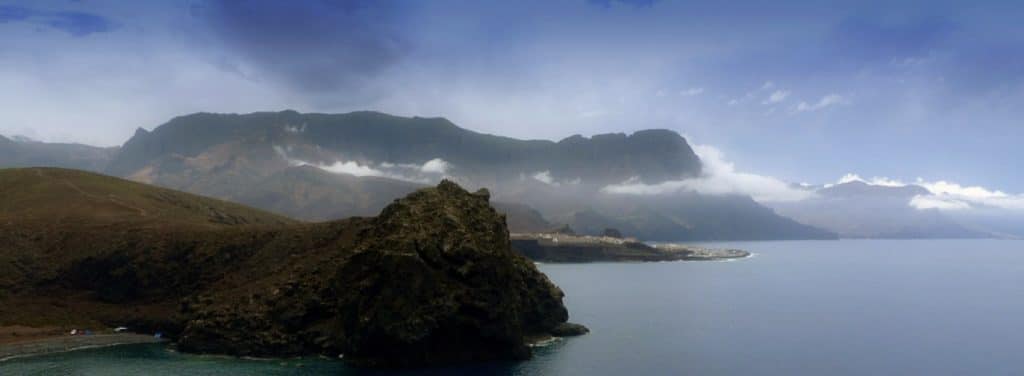
Gran Canaria is, after Tenerife, the second most populous island in the Canary Islands. It has a rugged coastline with impressive dunes in the south. The island’s interior and west coast offer landscapes of exceptional beauty, full of mountains, gorges and steep cliffs.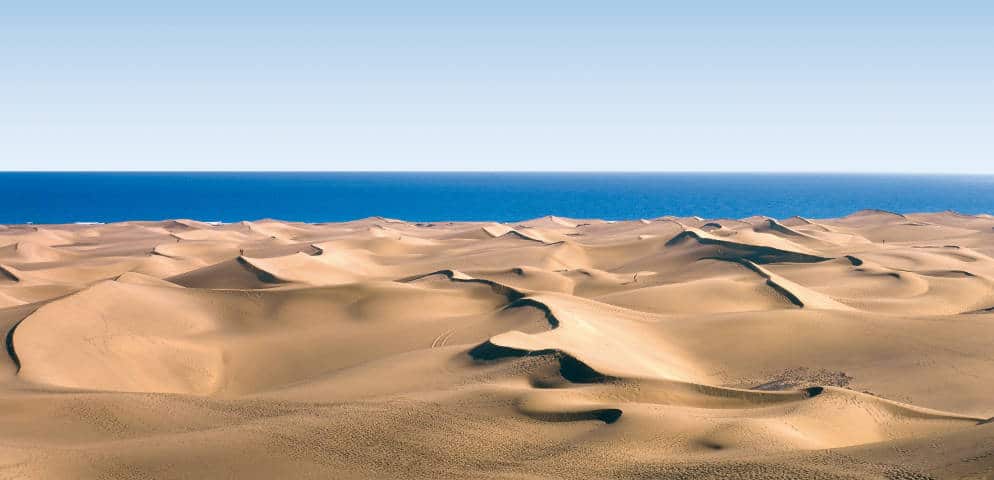
An Extraordinary Variety
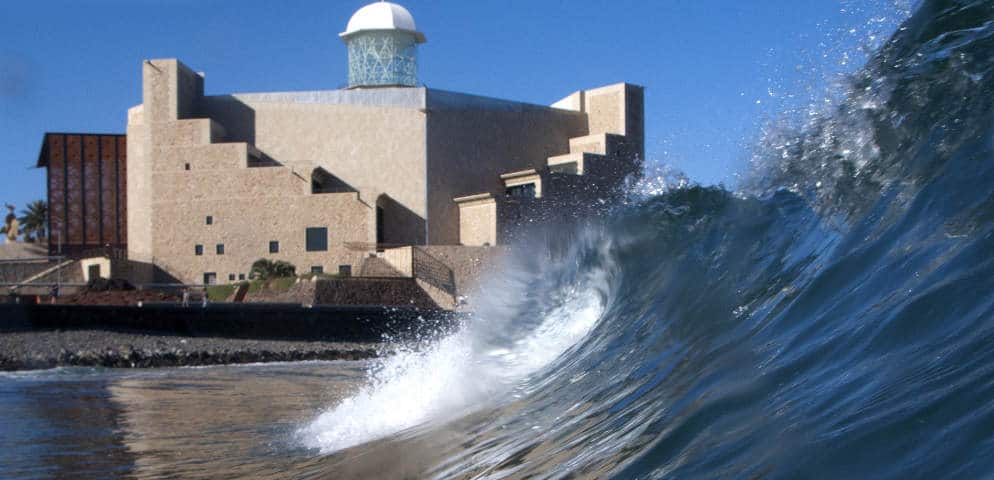
A coastline full of contrasts: brown sandy beaches, golden sandy beaches with dunes that transport you to the desert, black or grey basalt sandy beaches, cliffs 1,000 metres high, beautiful, well-hidden coves, and much more; Ecosystems that change within just a hundred metres: from laurel wood to pine forest, from exceptionally arid landscapes to places where water gushes from the mountains, from sea level to an altitude of almost 2,000 metres. Completely different towns and villages: with a population of around 400,000 and its skyscrapers, the capital, Las Palmas de Gran Canaria, is one of the world’s most important commercial and cruise ports, boasting a vast array of shopping and cultural attractions. In contrast, there are almost isolated mountain villages with fewer than 2,000 inhabitants…. All this is Gran Canaria.
And all this within an area that is less than half the size of the island of Mallorca.
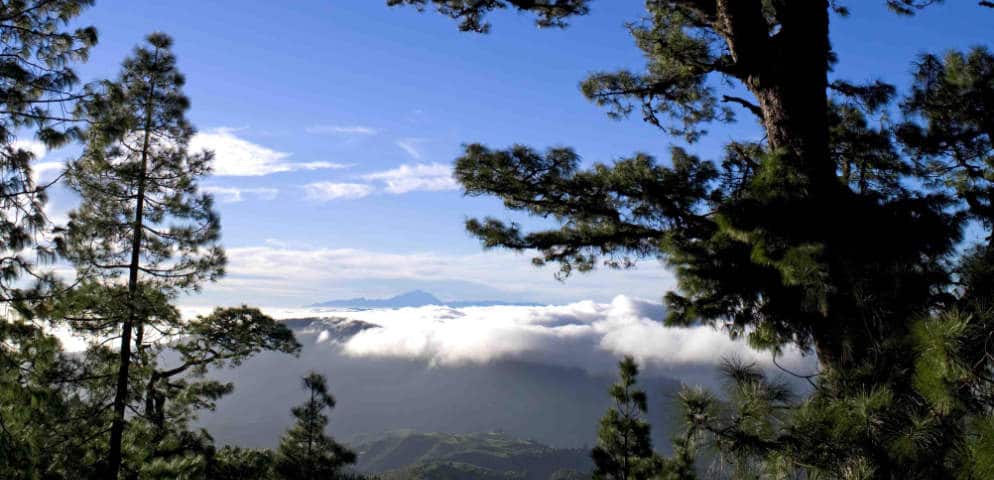
Patronato de Turismo de Gran Canaria
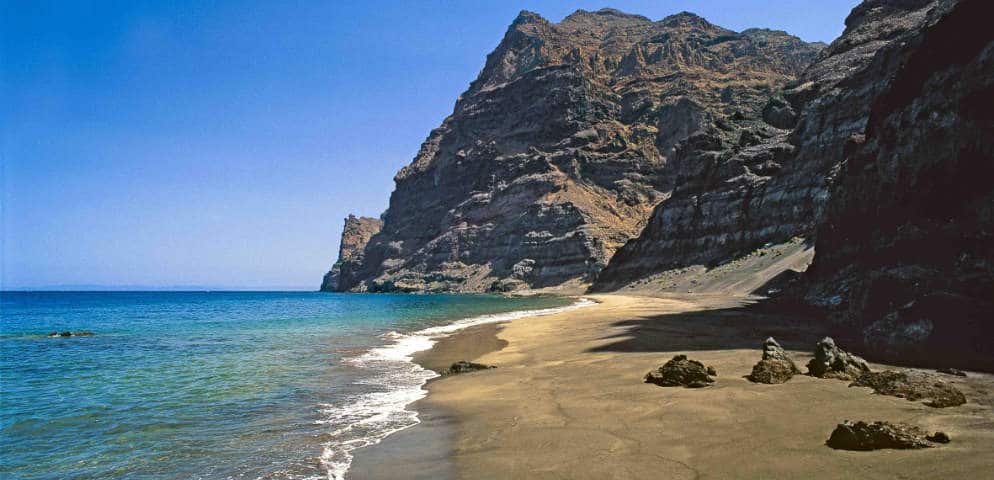
Patronato de Turismo de Gran Canaria
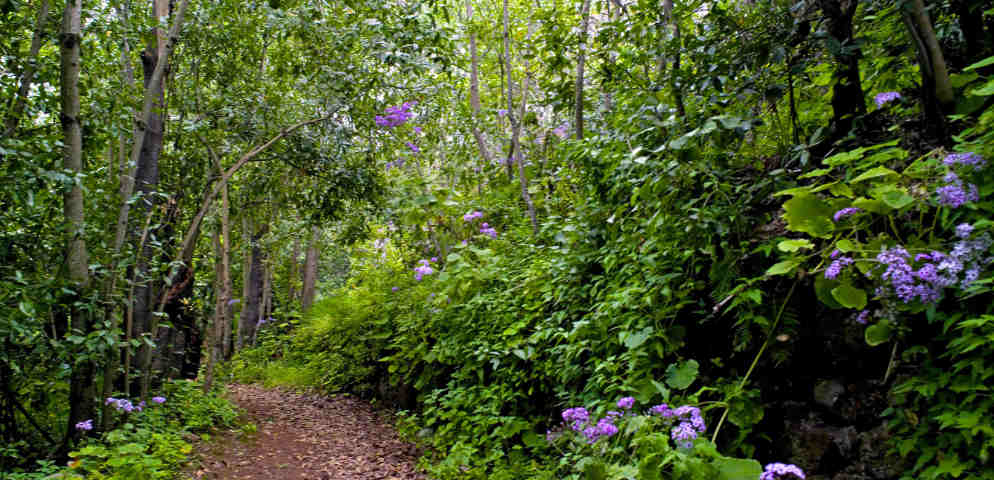
Patronato de Turismo de Gran Canaria
Patronato de Turismo de Gran Canaria
Jesús de Diego